Consultation Process
The consultation goes beyond the assessment of physical symptoms and focuses on evaluating your unique constitution (Prakriti) and current imbalances (Vikriti). The entire process usually takes around 45 minutes and follows these steps:
1. Examination
(Trividha Pariksha, Ashtawidha Pariksha, Dashawidha Pariksha)
The Ayurvedic doctor uses three fundamental methods to gather information about your health:
- Observation (Darshan):
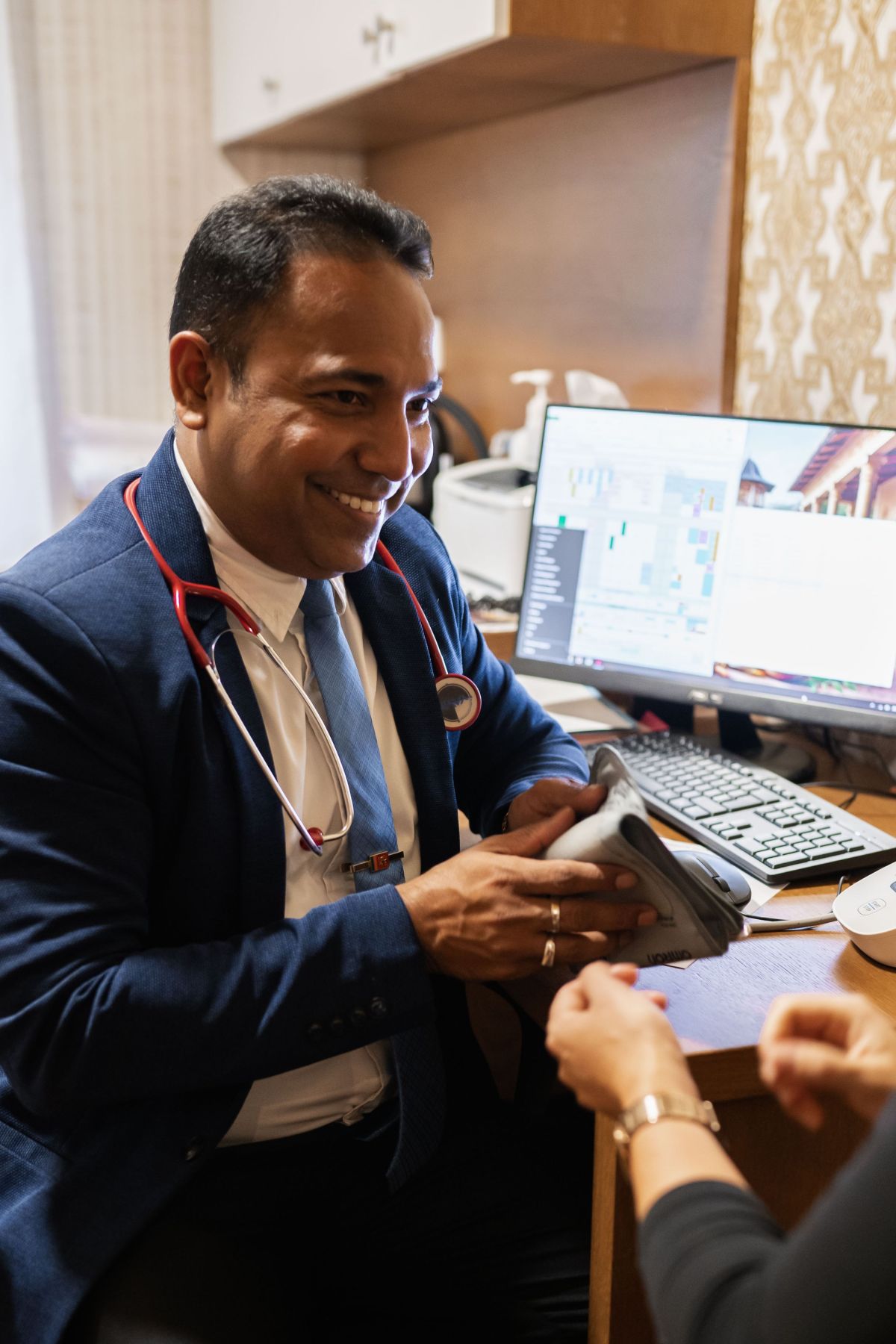
The doctor assesses your overall appearance, including skin tone, clarity of the eyes, hair texture, body shape, and the way you move.
- Touch (Sparsha):
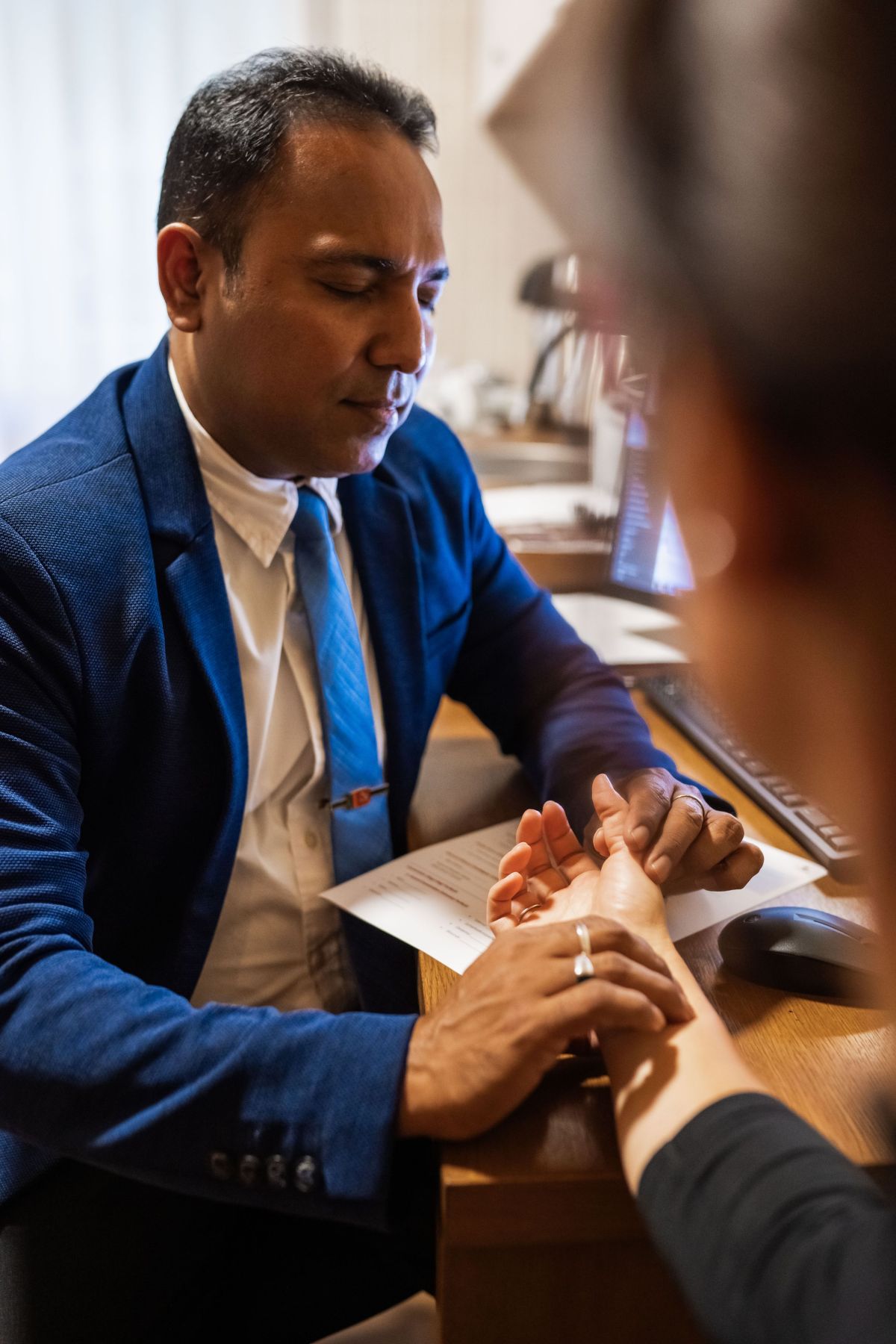
This includes tactile examination, primarily Nadi Pariksha (pulse diagnosis). By assessing the pulse at three levels on the wrist, the doctor evaluates imbalances in the Vata, Pitta, and Kapha doshas. Examination of the tongue, nails, and skin may also be included.
- Questioning (Prashna):
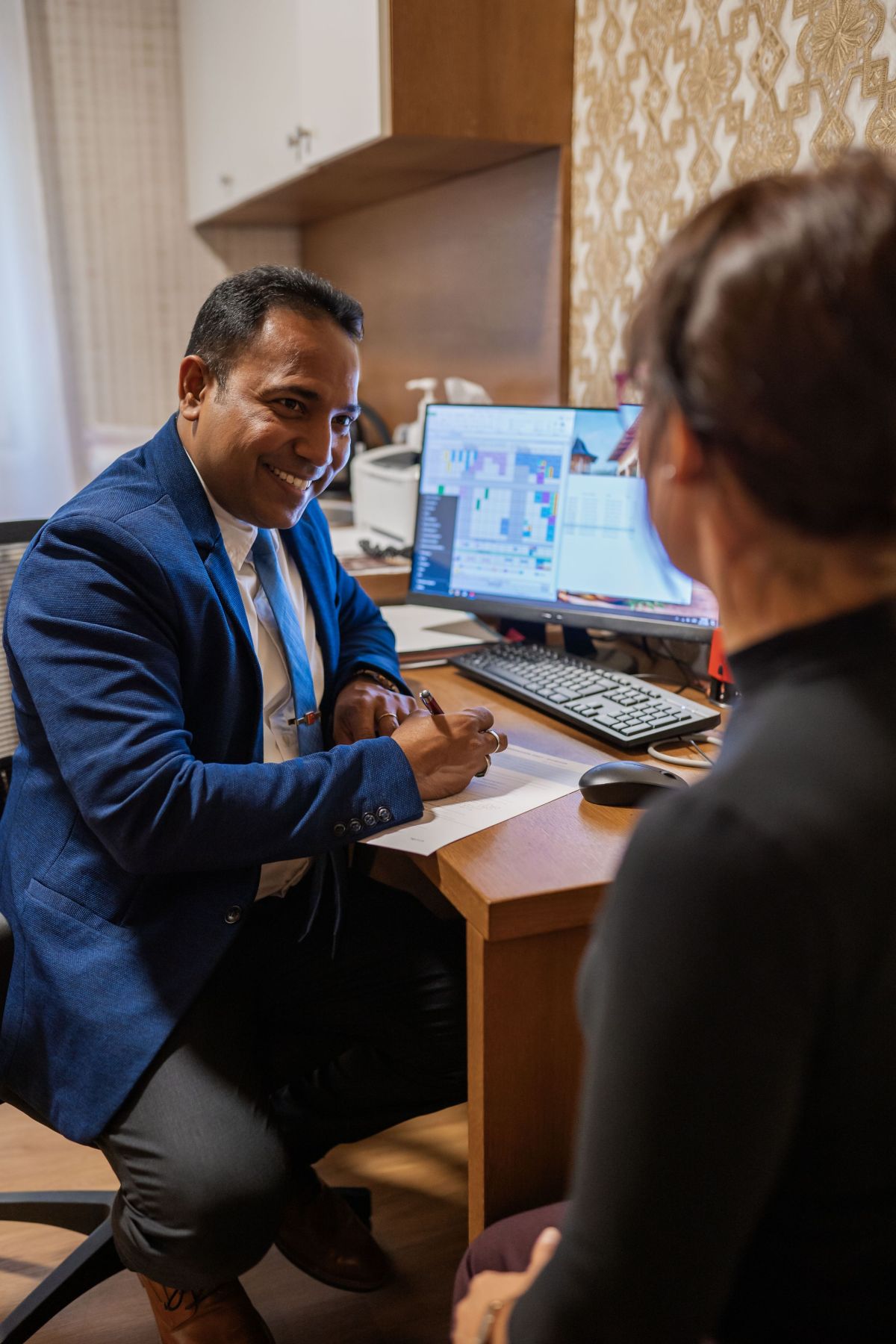
A detailed conversation focused on your lifestyle and health history. Be prepared to discuss your diet, digestion, sleep patterns, stress levels, emotional well-being, and work environment.
2. Diagnosis and Assessment
The goal is to determine your doshic profile:
- Prakriti Analysis: identification of your natural, inborn constitution
- Vikriti Assessment: identification of current imbalances caused by lifestyle or environmental factors
- Agni and Ama: evaluation of digestive strength (Agni) and the presence of toxins (Ama), often visible as a coating on the tongue
3. Personalized Treatment Plan
Based on the findings, an individual plan is created, which may include:
- Dietary recommendations: foods to favor or avoid according to your dominant dosha and current condition
- Lifestyle adjustments (Dinacharya): daily routines such as wake-up times, meditation, or physical activity
- Herbal support: individually selected herbs, powders, or teas to help restore balance
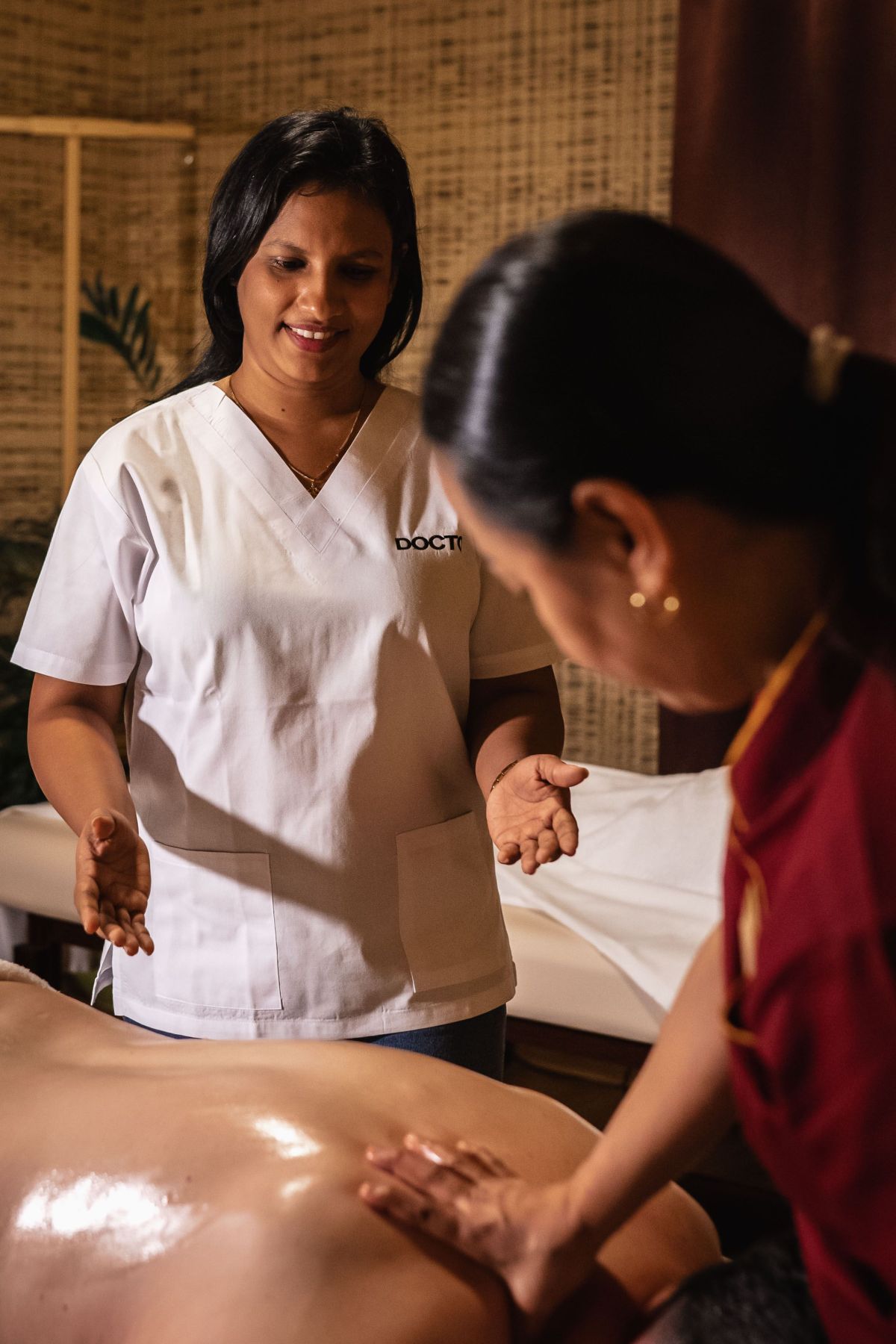
- Therapies: recommendations for specific treatments such as Panchakarma (detoxification), oil massages, or Shirodhara
4. Preparation and Follow-up Care
- Preparation: wearing comfortable, loose clothing is recommended, and heavy meals or caffeine should be avoided shortly before the consultation.
- Follow-up: the first follow-up consultation usually takes place after 3–4 weeks to monitor how the body is responding and to adjust the plan if necessary.